When most people imagine the future of psychology, they think about therapy, mental health, neuroscience, or research.
Those areas will always matter.
But something new is happening.
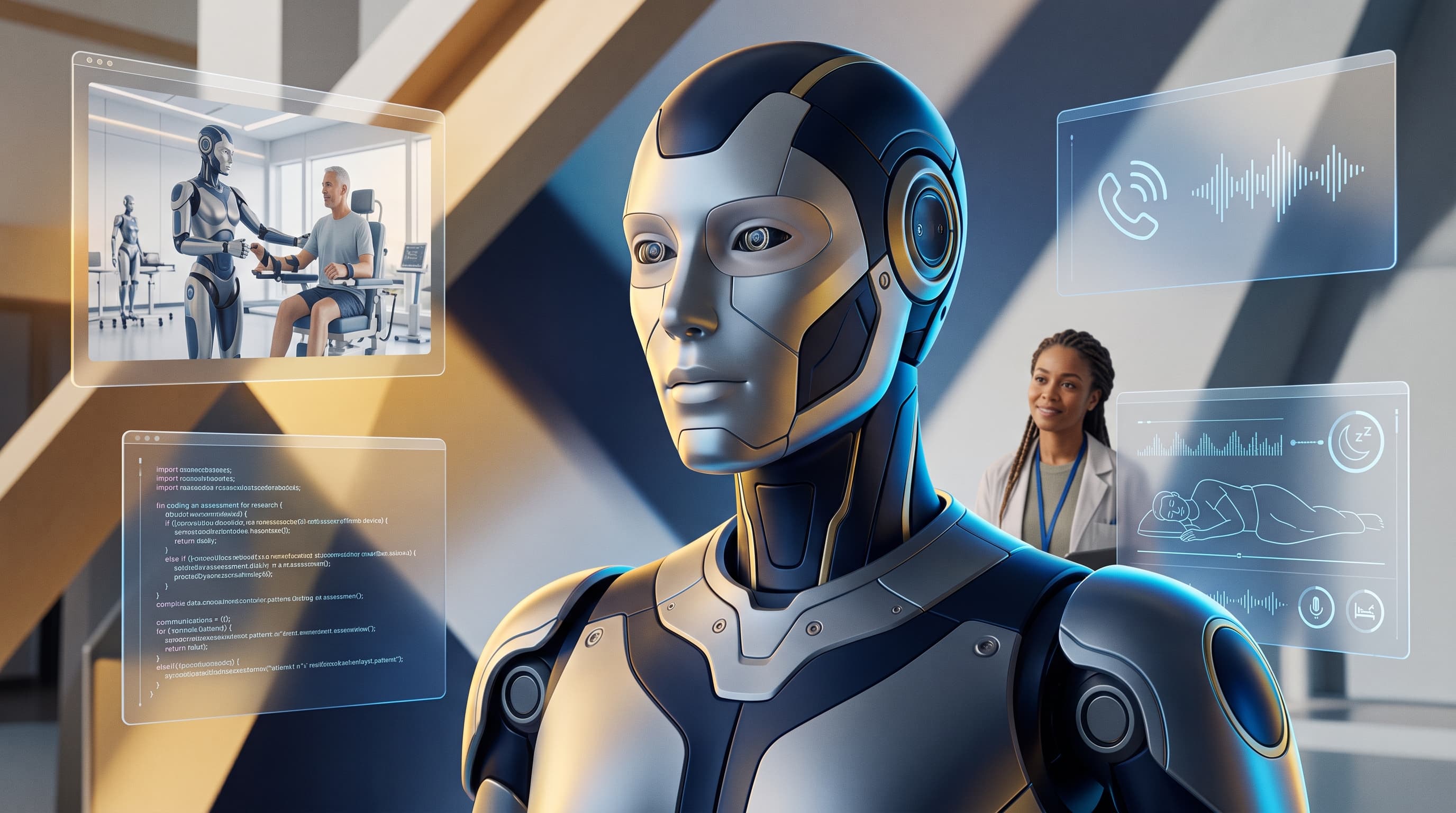
Psychology is quietly becoming part of the blueprint for how artificial intelligence is built.
That may sound surprising, but it makes sense. AI systems increasingly influence how we learn, shop, communicate, work, and even make decisions. Building better technology now requires understanding the people who will actually use it.
AI Doesn't Just Need Better Algorithms
For years, conversations about AI focused on computing power, larger models, and faster hardware.
Those advances remain important.
Yet many of today's biggest challenges have less to do with technical capability and more to do with human behavior.
How do people decide whether to trust AI?
When do users become overconfident in AI-generated answers?
How much automation helps before it becomes frustrating?
Why do some interfaces reduce stress while others increase it?
Those aren't engineering questions alone.
They're psychology questions.
The Human Layer
Earlier this month, the American Psychological Association described this moment as psychology's opportunity to help shape AI through behavioral science rather than simply reacting to technological change. The organization argues that understanding human judgment, learning, relationships, and decision-making should become part of how AI is designed—not something added after products are built.
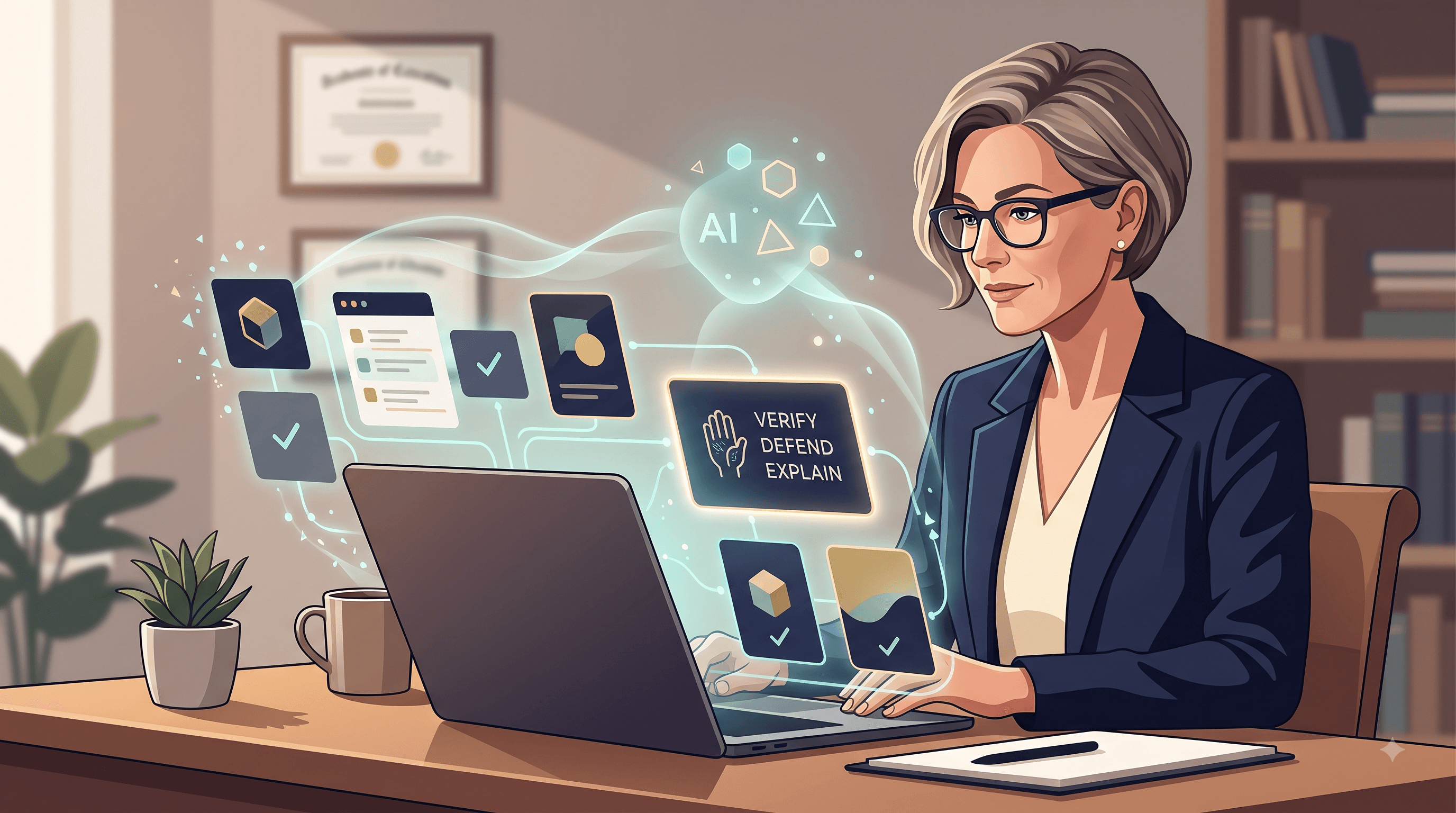
That perspective resonates with me because it shifts psychology from the sidelines to the design table.
Instead of asking, "How do we fix problems technology creates?"
We can begin asking,
"How do we build technology that supports healthier human behavior from the beginning?"
A New Role for Psychologists
This evolution creates exciting possibilities for psychologists.
Future psychologists may help:
Design healthier AI learning experiences.
Reduce cognitive overload in digital products.
Improve AI-supported healthcare tools.
Study trust and decision-making.
Build emotionally intelligent educational technology.
Evaluate how AI affects motivation, relationships, and well-being.
These roles extend psychology beyond the clinic while remaining deeply connected to understanding people.
What This Means for Students
Students entering psychology today may find career paths that barely existed a few years ago.
Knowledge of cognition, emotion, motivation, learning, and behavior may become valuable not only in healthcare and education but also in product design, technology policy, user experience, and AI governance.
A recent preliminary report from the United Nations similarly argues that effective AI governance depends on scientific evidence across health, education, human rights, cultural well-being, and societal impacts—not only technical performance.
Why This Matters
One lesson continues to emerge as AI advances.
People rarely struggle because technology lacks features.
They struggle because technology sometimes ignores how humans actually think, feel, learn, remember, and make decisions.
Psychology helps bridge that gap.
It reminds us that successful AI is not simply intelligent.
It is understandable.
It is trustworthy.
It respects human limits while expanding human possibilities.
What This Does—and Does Not Mean
This doesn't mean every psychologist needs to become an AI engineer.
Nor does it mean AI will replace psychologists.
Instead, the emerging opportunity is collaboration.
Behavioral scientists, educators, clinicians, designers, engineers, and policymakers each bring expertise that helps create AI systems that are both capable and genuinely useful. Researchers increasingly describe the psychology of AI as a rapidly growing field that includes designing AI, studying how people use AI, and using AI to advance psychological science itself.
Final Thoughts
The future of psychology may not be defined only by helping people recover from problems.
It may also be defined by helping prevent them.
If psychologists become active participants in designing AI, we have an opportunity to shape technologies that support healthier learning, wiser decisions, stronger relationships, and greater human flourishing.
That feels like a future worth building.
The future of psychology is being built right now.
If you're curious about where psychology, AI, education, and digital wellness intersect, explore more articles in The Future of Psychology series and follow along as we build practical, human-centered AI tools together.